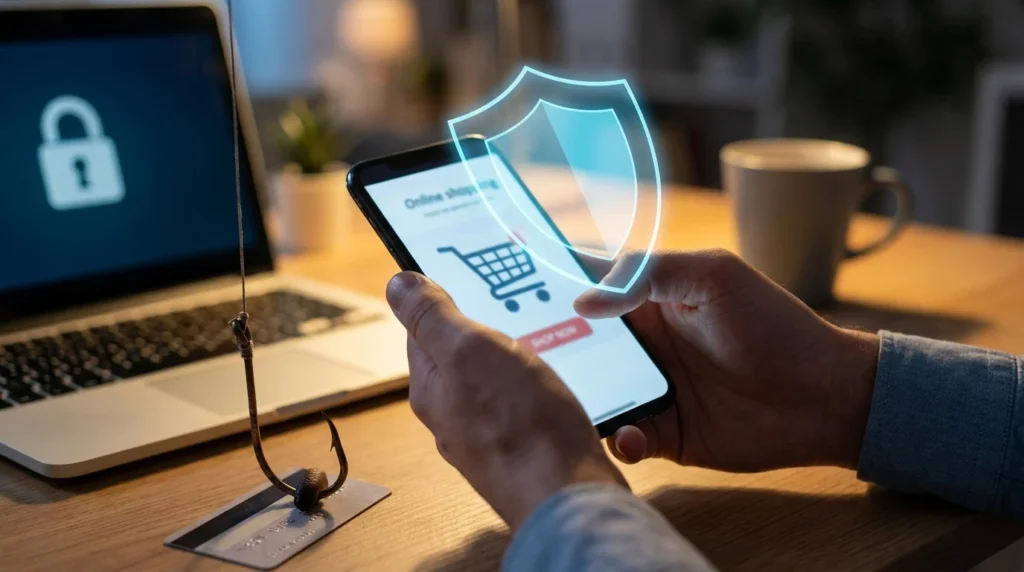
In recent years, phishing scams have become a significant threat in the e-commerce world, targeting unsuspecting consumers with increasing sophistication. As more people turn to online shopping for convenience, the risk of falling victim to these scams has escalated. Understanding how phishing scams operate and how to protect yourself is crucial for a safe online shopping experience.
Understanding Phishing Scams in E-Commerce
Phishing scams in e-commerce often involve fraudulent emails or websites that mimic legitimate online stores. These scams are designed to steal sensitive information such as usernames, passwords, and credit card details. The scammers often pose as well-known companies, enticing consumers to click on malicious links or enter their personal information. Recognizing these scams is the first step in protecting yourself from potential harm.
Common Tactics Used by Phishers
Phishers employ a variety of tactics to deceive consumers. One common method is sending emails that appear to be from trusted retailers, urging recipients to verify their accounts or update payment information. These emails often contain links leading to fake websites that closely resemble the legitimate ones. Another tactic is creating counterfeit websites that offer too-good-to-be-true deals to lure shoppers into providing their financial details.
Signs of a Phishing Scam
Being able to identify the signs of a phishing scam can save you from potential losses. Look out for poor spelling and grammar in emails, as well as generic greetings like “Dear Customer.” Legitimate companies typically address customers by name. Be wary of urgent calls to action that pressure you to act quickly. Additionally, check for discrepancies in the email address or website URL, as subtle differences can indicate a scam.
Steps to Protect Yourself
Protecting yourself from phishing scams in e-commerce involves staying vigilant and following best practices. Always verify the legitimacy of any email or website before entering personal information. Use strong, unique passwords for each of your online accounts and enable two-factor authentication whenever possible. Keeping your computer’s security software up to date can also help detect and block malicious attacks.
What to Do if You Fall Victim
If you suspect that you’ve been targeted by a phishing scam, it’s important to act quickly. Immediately change the passwords of any compromised accounts and contact your bank to monitor for unauthorized transactions. Report the incident to the appropriate authorities and consider sharing your experience with others to raise awareness. For more guidance, you can refer to Scammed Online? Do These 7 Things in the First 24 Hours.
Staying Informed and Vigilant
As phishing scams continue to evolve, staying informed about the latest threats is essential. Regularly educate yourself on new scam tactics and share this information with friends and family. For further reading on related topics, consider checking out How to Check if an Online Store is Legit in 60 Seconds and TikTok Shop Scams Are Surging – What Every Buyer Should Know. By remaining vigilant and proactive, you can significantly reduce the risk of falling victim to phishing scams in e-commerce.
The Role of Technology in Combating Phishing Scams
Technology plays a crucial role in the fight against phishing scams in the e-commerce sector. Companies are increasingly leveraging advanced technologies such as artificial intelligence (AI) and machine learning to detect and prevent fraudulent activities. These technologies can analyze vast amounts of data to identify patterns and anomalies that may indicate a phishing attempt. For instance, AI-driven security systems can monitor email traffic and website activities to flag suspicious behavior in real-time, providing an additional layer of protection for consumers.
Furthermore, the use of encryption technologies ensures that sensitive data transmitted between consumers and e-commerce platforms remains secure. Secure Sockets Layer (SSL) certificates and Transport Layer Security (TLS) protocols are commonly used to encrypt data, making it difficult for phishers to intercept and misuse information. As these technologies evolve, they continue to enhance the security measures that protect consumers from falling victim to phishing scams.
Building Consumer Awareness Through Education
Beyond technological solutions, consumer education is a vital component in mitigating the impact of phishing scams. E-commerce platforms and cybersecurity organizations are investing in educational initiatives to raise awareness about the dangers of phishing. These programs aim to equip consumers with the knowledge and skills needed to recognize and respond to phishing threats effectively.
Workshops, webinars, and informational resources are commonly used to educate consumers on identifying phishing emails and websites. These educational efforts often emphasize the importance of skepticism when encountering unsolicited communications, particularly those requesting personal information. By fostering a culture of awareness and caution, consumers are more likely to question the legitimacy of suspicious messages and take the necessary steps to protect themselves.
Additionally, e-commerce companies often include security tips and reminders within their communication channels, such as newsletters and account notifications. This ongoing education helps reinforce safe online practices and ensures that consumers remain vigilant against evolving phishing tactics.
The Importance of Reporting Phishing Attempts
Reporting phishing attempts is a critical step in combating these scams. When consumers report suspicious emails or websites to relevant authorities, it enables cybersecurity experts to investigate and potentially shut down fraudulent operations. Many companies have established dedicated channels for reporting phishing, making it easier for consumers to contribute to the fight against cybercrime.
Collaboration between consumers, e-commerce platforms, and cybersecurity organizations is essential to reduce the prevalence of phishing scams. By sharing information and working together, the online community can create a safer shopping environment for everyone.