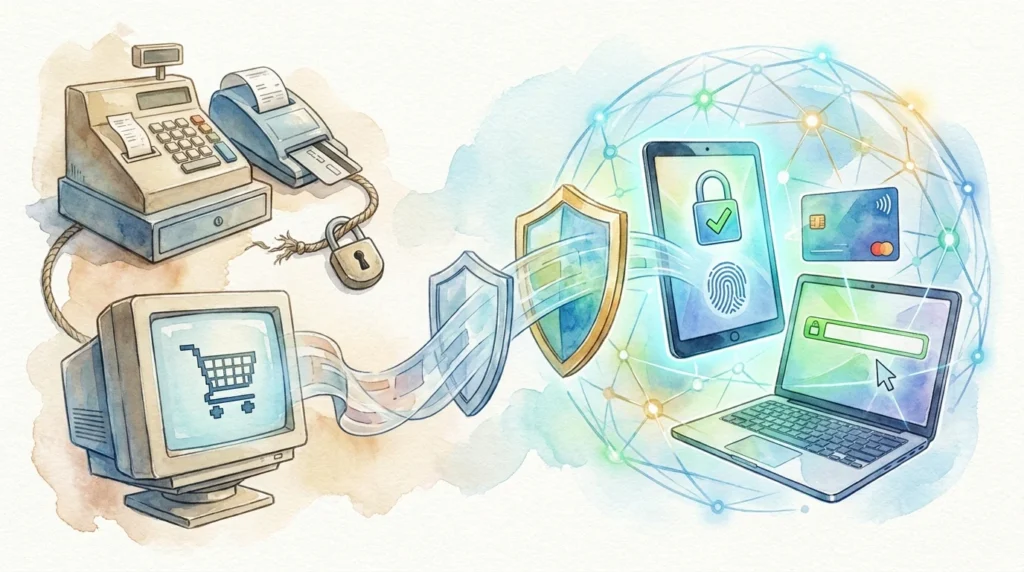
The world of online shopping has transformed dramatically over the years. As digital transactions became more popular, the need for enhanced online shopping security became glaringly apparent. Today, the landscape of e-commerce is fortified with numerous security measures designed to protect consumers and their sensitive information.
Early Days of Online Shopping
In the early days of online shopping, security measures were minimal. Consumers were wary of using their credit cards online due to the lack of secure transaction protocols. Websites rarely used encryption, making it easy for hackers to intercept data. As a result, online shopping was met with skepticism and hesitation from the general public.
The Introduction of SSL Certificates
The introduction of SSL (Secure Socket Layer) certificates marked a significant advancement in online shopping security. These certificates encrypt data transmitted between the consumer and the website, ensuring that sensitive information, such as credit card numbers, cannot be easily intercepted. To learn more about SSL certificates and their role in online transaction safety, read our detailed article.
Two-Factor Authentication and Its Impact
Two-factor authentication (2FA) added an extra layer of security by requiring users to verify their identity through a secondary method, such as a text message or authentication app. This innovation has significantly reduced unauthorized access and fraud. For an in-depth look at the importance of two-factor authentication, check out this guide.
Browser Extensions for Safer Shopping
As technology evolved, browser extensions emerged as a tool to enhance online shopping security. These extensions can block malicious sites, fill in passwords securely, and alert users about potential threats. For tips on using browser extensions for safer shopping, visit our article on browser extensions.
Protecting Against Phishing and Scams
With the rise of phishing scams targeting online shoppers, identifying and avoiding these threats has become crucial. Phishing scams trick users into providing sensitive information by impersonating legitimate entities. Educational resources and scam alerts have become vital in helping consumers recognize and react appropriately to such threats. To understand the psychology behind these scams, explore our comprehensive analysis.
Future Trends in Online Shopping Security
Looking ahead, the future of online shopping security is promising. Emerging technologies like artificial intelligence and machine learning are being integrated to detect fraudulent activities in real-time. Biometric authentication methods, such as fingerprint and facial recognition, are also gaining traction, providing a more secure and seamless shopping experience. As the digital landscape continues to evolve, staying informed and adopting new security measures will remain key to protecting consumers.
In conclusion, the evolution of online shopping security measures has been driven by the need to protect consumers from an ever-growing array of threats. From the early implementation of SSL certificates to the adoption of two-factor authentication and beyond, these advancements have made online shopping a more secure and trustworthy experience for everyone.
Role of Payment Gateways in Enhancing Security
Payment gateways have become a cornerstone of online shopping security, acting as intermediaries between merchants and consumers to process payments securely. These gateways are equipped with advanced security protocols to ensure that sensitive financial information is encrypted and transmitted safely. By using tokenization, payment gateways replace sensitive card information with a unique token that cannot be used outside of the transaction, significantly reducing the risk of data breaches.
Moreover, payment gateways often comply with industry standards such as the Payment Card Industry Data Security Standard (PCI DSS), which mandates stringent security measures to protect cardholder data. This compliance ensures that merchants are following best practices to safeguard customer information. Payment gateways also offer features like fraud detection and prevention tools, which analyze transaction patterns to identify and block suspicious activity in real-time.
Impact of Consumer Awareness and Education
Another critical element in the evolution of online shopping security is the increased awareness and education of consumers. As security threats become more sophisticated, educating consumers about safe online practices has become essential. Many organizations and e-commerce platforms now offer resources and training materials to help consumers identify potential security threats, such as phishing scams or fraudulent websites.
Consumers are encouraged to adopt proactive security habits, such as using strong, unique passwords for different accounts, regularly updating software to patch vulnerabilities, and being cautious of unsolicited communications requesting personal information. The rise of cybersecurity awareness campaigns and workshops has empowered consumers to become the first line of defense in protecting their online shopping activities.
Furthermore, social media and online forums have become valuable platforms for sharing information and experiences related to online security. This community-driven approach helps spread awareness quickly and effectively, allowing consumers to stay informed about the latest threats and security measures.
Security Standards and Certifications
Adherence to security standards and certifications has been instrumental in building consumer trust in online shopping platforms. Certifications like ISO/IEC 27001, which focuses on information security management systems, provide a framework for organizations to manage and protect their information assets. By obtaining such certifications, e-commerce businesses can demonstrate their commitment to maintaining high security standards, thus reassuring consumers of their dedication to protecting personal and financial information.
Additionally, third-party security audits and vulnerability assessments have become commonplace, allowing companies to identify and address potential security weaknesses before they can be exploited. These practices not only enhance the security posture of online shopping platforms but also contribute to cultivating a safer online shopping environment for consumers worldwide.