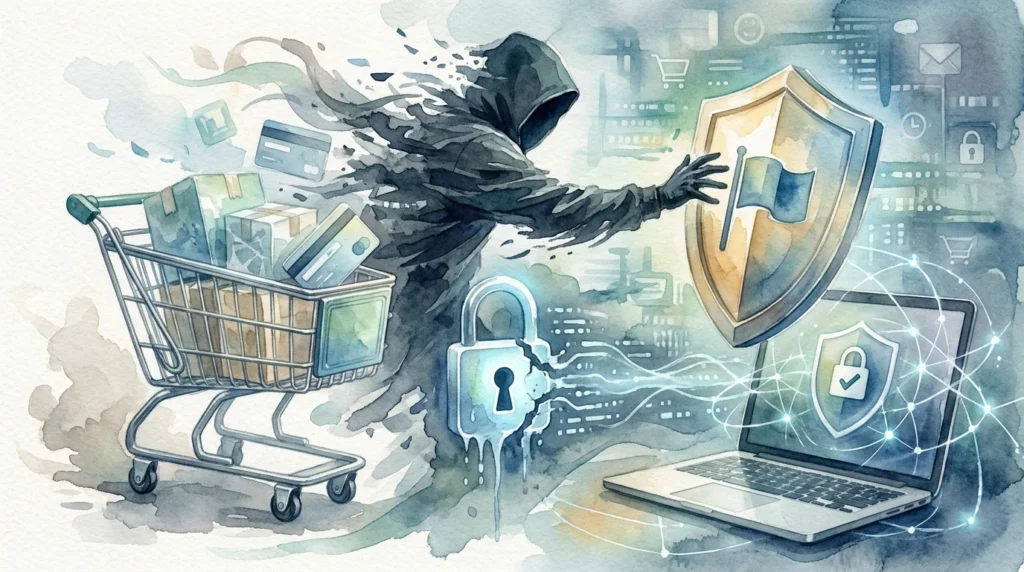
In the digital age, online shopping has become a staple of convenience. However, with this convenience comes the growing threat of identity theft, targeting unsuspecting consumers. Understanding these risks and implementing preventive measures is crucial for safe online shopping experiences.
Understanding Identity Theft in Online Shopping
Identity theft in online shopping involves unauthorized access and use of personal information, such as credit card numbers and social security details, for fraudulent activities. This can occur through various channels, including phishing scams, fake websites, and insecure payment gateways. Recognizing the tactics used by cybercriminals is the first step in safeguarding your identity.
Common Tactics Used by Cybercriminals
Cybercriminals employ numerous techniques to steal identities during online shopping. Phishing emails that mimic legitimate retailers are a common tactic. These emails often contain malicious links designed to capture your login credentials. Additionally, fake e-commerce sites lure consumers with discounted prices, only to harvest their personal information. Understanding these tactics can help shoppers avoid falling victim to identity theft.
Importance of Secure Payment Methods
Utilizing secure payment methods is essential in preventing identity theft. Opt for credit cards over debit cards, as they offer more protection against fraudulent charges. Additionally, consider using digital wallets or services that provide an extra layer of security by not directly exposing your financial details. For more insights, read The Role of SSL Certificates in Online Transaction Safety.
The Role of SSL Certificates
SSL certificates play a critical role in ensuring secure transactions. They encrypt data transmitted between your browser and the retailer’s server, reducing the risk of interception by hackers. Always check for the padlock symbol and ‘https://’ in the URL before entering sensitive information. To delve deeper, visit Understanding SSL Certificates and Online Safety.
Implementing Two-Factor Authentication
Two-factor authentication (2FA) adds an extra layer of security by requiring a second form of verification, such as a text message code, in addition to your password. This significantly reduces the risk of unauthorized access to your accounts. Learn more about its importance in The Importance of Two-Factor Authentication in Online Purchases.
Utilizing Browser Extensions for Safety
Browser extensions can enhance your security by blocking malicious websites and phishing attempts. They often include features like ad blockers and trackers that prevent unauthorized data collection. For a comprehensive guide, check out How to Use Browser Extensions for Safe Online Shopping.
Recognizing and Avoiding Online Shopping Traps
Being aware of common shopping traps can help protect your identity. Always research unfamiliar websites and read customer reviews before making a purchase. Avoid deals that seem too good to be true, as they often are. For more tips, visit Recognizing and Avoiding Online Shopping Traps.
Monitoring Your Financial Statements Regularly
One of the most effective ways to detect identity theft early is by regularly monitoring your financial statements. By keeping a close eye on your bank and credit card statements, you can quickly spot any unauthorized transactions. Many financial institutions offer alerts for unusual activity, which can provide immediate notification if something seems amiss.
It’s also wise to request your credit report periodically. In the United States, consumers are entitled to one free credit report annually from each of the three major credit bureaus. Reviewing these reports can help you identify any unfamiliar accounts or inquiries, which may indicate identity theft.
Consider setting up a calendar reminder to check your statements and credit reports consistently. Early detection is key in minimizing the damage caused by identity theft, allowing you to take swift action to secure your accounts.
Creating Strong and Unique Passwords
Creating strong and unique passwords for your online shopping accounts is a fundamental step in protecting your identity. Cybercriminals often exploit weak or reused passwords to gain access to personal information. To create a robust password, consider the following guidelines:
- Length: Aim for at least 12 characters.
- Complexity: Use a mix of uppercase and lowercase letters, numbers, and special characters.
- Uniqueness: Avoid using the same password across multiple sites.
- Avoid Common Words: Refrain from using easily guessable words or sequences, such as ‘password123’ or ‘qwerty.’
Utilizing a password manager can be a practical solution for generating and storing complex passwords securely. These tools can automatically fill in your login details, ensuring you use strong passwords without the need to memorize them all.
Educating Yourself and Others
Education is a powerful tool in combating identity theft. By staying informed about the latest scams and security practices, you can better protect yourself and those around you. Regularly read up on cybersecurity news and updates to understand emerging threats and how to counter them.
Sharing this knowledge with friends and family can create a more secure environment for everyone. Encourage others to adopt safe online shopping practices, such as verifying website authenticity and using secure networks. Hosting informational sessions or workshops can also be an effective way to spread awareness and educate a wider audience about the risks and preventative measures associated with identity theft.
Ultimately, a proactive approach to education not only enhances personal security but also contributes to a collective effort to thwart cybercriminals and protect identities across the digital landscape.