Understanding the Threats to Online Shopping Accounts
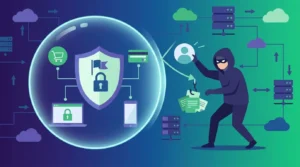
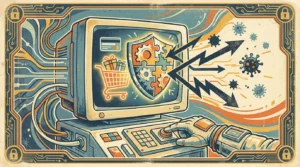
In the digital age, our online shopping accounts are constantly under threat from hackers eager to access personal and financial information. Understanding these threats is the first step to protect online accounts effectively. Hackers employ various tactics such as phishing, brute force attacks, and malware to breach accounts. Recognizing these methods can help in devising strategies to safeguard your accounts.
Importance of Strong Passwords
Creating strong, unique passwords for each online shopping account is crucial. A strong password typically includes a mix of uppercase and lowercase letters, numbers, and symbols. Avoid using easily guessed passwords such as “123456” or “password.” Consider using a password manager to generate and store complex passwords securely. This minimizes the risk of password reuse across multiple accounts.
Utilizing Two-Factor Authentication
Two-factor authentication (2FA) adds an extra layer of security to your online shopping accounts. By requiring a second form of verification, such as a text message code, 2FA makes it significantly harder for hackers to gain unauthorized access. Many online retailers offer this feature, and enabling it can greatly enhance your account protection.
Recognizing Phishing Attempts
Phishing attempts are a common tactic used by hackers to steal login credentials. These scams often come in the form of emails or messages that appear to be from legitimate companies, urging you to click on a link or download an attachment. Always verify the sender’s email address and avoid clicking on suspicious links. Educate yourself and your family on how to identify phishing scams to maintain account security, as discussed in this article.
Keeping Software and Devices Updated
Regularly updating your software and devices is critical in protecting online accounts. Updates often include patches for security vulnerabilities that hackers could exploit. Ensure that your computer, smartphone, and any applications you use for online shopping are up to date. Additionally, consider installing reputable antivirus software to provide an extra layer of protection.
Monitoring Account Activity
Regularly monitoring your online shopping accounts can help detect unauthorized access early. Most online retailers provide an activity log where you can review recent logins and transactions. If you notice any suspicious activity, change your password immediately and contact the retailer for further assistance.
Using Browser Extensions Wisely
Browser extensions can enhance your online shopping experience but also pose security risks if not chosen carefully. Only install extensions from reputable sources and regularly review their permissions. Learn more about using browser extensions safely in this guide.
Conclusion
Protecting your online shopping accounts from hackers is an ongoing process that involves multiple strategies. By understanding the threats, creating strong passwords, enabling two-factor authentication, recognizing phishing attempts, keeping software updated, monitoring activity, and using browser extensions wisely, you can significantly enhance your online security. Taking these precautions not only protects your accounts but also your financial well-being in the digital marketplace.
Implementing Secure Payment Methods
One effective way to safeguard your online shopping accounts is by using secure payment methods. Opt for payment methods that offer enhanced security features, such as virtual credit cards or digital wallets. Virtual credit cards generate a temporary card number for each transaction, minimizing the risk of card information being stolen. Digital wallets like PayPal, Apple Pay, or Google Pay add an extra layer of security by not directly sharing your card details with merchants.
When using credit or debit cards, ensure that the website uses HTTPS, which indicates a secure connection. Additionally, consider setting up alerts with your bank or credit card provider to notify you of any unusual transactions. This proactive step allows for immediate action if unauthorized activity is detected, providing peace of mind and an extra layer of defense against fraud.
Educating Yourself on Social Engineering Tactics
Social engineering is a method hackers use to manipulate individuals into divulging confidential information. Understanding and recognizing these tactics is crucial in protecting your online shopping accounts. Common social engineering techniques include impersonating a trusted source, creating a sense of urgency, or exploiting human curiosity.
To protect yourself, always verify the identity of anyone requesting sensitive information. Be skeptical of unsolicited communications that ask for personal details or direct you to log into your account through a link. Instead, navigate directly to the website yourself to ensure authenticity. Practicing caution and skepticism can prevent falling victim to these manipulative tactics.
Tip: Regularly educate yourself about the latest social engineering threats through online courses or security blogs. Staying informed empowers you to recognize and avoid these deceptive practices effectively.
Backing Up Important Data
Backing up important data is an often overlooked yet vital step in safeguarding your online shopping accounts. In the event of a data breach or malware attack, having backups ensures that you do not lose essential information. Utilize cloud storage solutions or external hard drives to regularly back up your data, including purchase records, receipts, and account details.
Moreover, by maintaining multiple copies of critical information, you can quickly restore data if compromised, minimizing the impact of potential security incidents. Ensure that backups are encrypted and stored securely to prevent unauthorized access.
By integrating these additional measures into your online security strategy, you can further enhance the protection of your online shopping accounts. Implementing secure payment methods, understanding social engineering tactics, and regularly backing up data are essential components of robust online security practices.