In today’s digital world, online shopping offers convenience but also presents potential risks. Educating your family on safe online shopping practices is crucial for protecting personal information and financial security. By understanding the best methods to teach these practices, you can ensure that everyone in your household enjoys a safe online shopping experience.
Understanding the Risks of Online Shopping
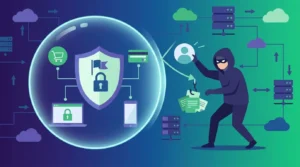
Before embarking on educating your family, it’s important to understand the risks associated with online shopping. These include identity theft, fraudulent websites, and data breaches. According to resources like The Growing Threat of Identity Theft in Online Shopping, being aware of these dangers can be the first step in safeguarding your family.
Setting Up Strong Passwords
One of the simplest yet most effective ways to protect online accounts is by setting up strong passwords. Encourage your family to use a combination of letters, numbers, and symbols to create passwords that are difficult to guess. Regularly updating these passwords and avoiding the use of the same password across multiple sites can significantly reduce the risk of unauthorized access.
Recognizing Secure Websites
Teaching your family to recognize secure websites is another vital aspect of online safety. Look for websites with ‘https://’ in their URL and a padlock icon in the address bar. These indicators suggest that the site has implemented security measures to protect your data. For more tips, consult guides like How to Check if an Online Store is Legit in 60 Seconds.
Using Safe Payment Methods
Educate your family about using safe payment methods when shopping online. Credit cards tend to offer better fraud protection compared to debit cards. Additionally, consider using payment gateways that provide an extra layer of security. Resources such as Comparing Online Payment Gateways: Which is the Safest? can help you choose the best option.
Recognizing and Avoiding Phishing Scams
Phishing scams are common in the online shopping world. Teach your family to recognize suspicious emails or messages that request personal information or urge immediate action. Encourage them to verify the source before clicking on any links. This awareness can prevent falling victim to scams and maintain their online safety.
The Role of Browser Extensions
Browser extensions can enhance online security by blocking malicious sites and alerting users to potential threats. Educate your family on the benefits of using such tools. For more detailed information, refer to How to Use Browser Extensions for Safe Online Shopping.
Maintaining Open Communication
Finally, maintain open communication about online shopping experiences within your family. Encourage sharing of any suspicious activities encountered during online transactions. This way, everyone can learn from each other’s experiences and stay updated on new threats, creating a more secure online environment for the entire household.
Understanding Privacy Policies
Another crucial aspect of educating your family on safe online shopping is understanding privacy policies. Every legitimate online store has a privacy policy that details how they collect, use, and protect customer information. Encourage your family to read these policies before making a purchase. Explain that understanding how their data will be handled can prevent potential misuse. Highlight the importance of knowing whether their information may be sold to third parties or if the website has robust data protection measures in place.
To make this process less daunting, teach your family to look for key points in privacy policies such as data collection methods, storage practices, and the store’s policy on sharing personal information. This understanding can build confidence in their online shopping decisions and minimize the risk of data exploitation.
Using Two-Factor Authentication
Implementing two-factor authentication (2FA) is an advanced security measure that can be instrumental in protecting online accounts. Educate your family on how 2FA works by requiring two forms of verification before accessing an account. This could involve a password plus a one-time code sent to a mobile device or email.
Encourage your family to enable 2FA on all accounts that offer it, especially those related to online shopping. Explain that while it may seem like an extra step, it significantly enhances security by providing an additional barrier against unauthorized access, even if a password is compromised. This practice can deter potential cybercriminals and protect sensitive financial information.
Encouraging Responsible Sharing of Personal Information
Teaching your family about the responsible sharing of personal information is another critical component of online shopping safety. Emphasize the importance of providing only necessary information when creating accounts or making purchases. Remind them to question why certain details are required and to avoid oversharing information such as full names, addresses, and phone numbers unless absolutely necessary for the transaction.
Discuss the potential risks associated with sharing too much personal information, such as identity theft and targeted scams. Encourage family members to be cautious about sharing personal details on public forums or through insecure channels. This vigilance can help protect their privacy and reduce the chances of being targeted by malicious actors.
Staying Updated on Security Practices
Online threats evolve rapidly, making it essential to stay informed about the latest security practices. Motivate your family to regularly read up on current online shopping safety tips and updates. This could include subscribing to cybersecurity newsletters or following reputable sources in the industry.
By staying up-to-date, your family can adapt to new threats quickly and adjust their online shopping habits accordingly. Encourage them to share any new information they come across with the household, fostering a culture of collective learning and proactive security awareness.