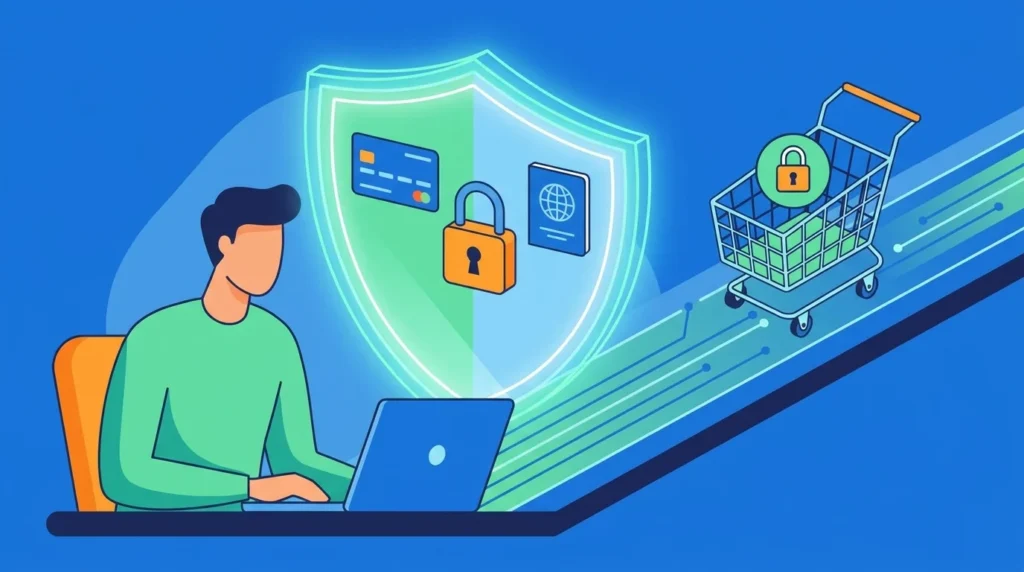
Understanding the Risks of Online Shopping
Online shopping offers convenience but comes with risks, especially concerning personal information. Understanding these risks is the first step toward safeguarding your data. Hackers and cybercriminals continually develop new methods to exploit vulnerabilities, making it imperative for consumers to stay informed. Personal data like credit card numbers, addresses, and passwords are prime targets. Recognizing these dangers helps you better protect personal information during your online shopping experiences.
Choose Secure Websites
One of the simplest yet most effective ways to protect your information is by choosing secure websites. Look for URLs that start with “https” as the ‘s’ signifies a secure connection. Additionally, check for a padlock icon in the address bar. Secure websites encrypt data, making it harder for attackers to access your information. Avoid sites that lack these features, as they may not provide adequate protection. For further insights, explore how to spot counterfeit products online and avoid scams.
Utilize Strong, Unique Passwords
Passwords are your first line of defense against unauthorized access. Creating strong, unique passwords for each account is crucial. Use a combination of letters, numbers, and symbols. Avoid using easily guessable information like birthdays or common words. Consider using a password manager to keep track of your passwords securely. This tool can generate complex passwords and store them safely, reducing the risk of password-related breaches.
Enable Two-Factor Authentication
Two-factor authentication (2FA) adds an extra layer of security. It requires a second form of verification, such as a text message or email code, in addition to your password. This means even if your password is compromised, attackers can’t easily access your account. Most major online retailers offer 2FA as an option, and enabling it can significantly enhance your online security. Always opt for this feature when available to better protect personal information online shopping.
Be Wary of Phishing Scams
Phishing scams are deceptive attempts to obtain personal information by pretending to be a trustworthy entity. These scams often come via email or text messages and can appear alarmingly legitimate. They might direct you to fake websites that mimic real ones. Always verify the sender’s address and be cautious of unsolicited requests for personal data. For more on how to protect yourself, read about the rise of phishing scams in e-commerce and effective prevention strategies.
Secure Payment Methods
Using secure payment methods is essential when shopping online. Credit cards often provide better fraud protection than debit cards. Consider using payment services like PayPal, which offer additional layers of security. These services don’t share your financial information with the seller, reducing the risk of exposure. For a detailed explanation, explore understanding secure payment methods for online shopping. These practices help ensure your financial data remains safe.
Regularly Monitor Your Accounts
Regular account monitoring is vital in detecting unauthorized activities early. Frequently check your bank and credit card statements for unfamiliar transactions. Report any suspicious activity immediately to your financial institution. Early detection can prevent significant losses and further unauthorized access. Staying vigilant with your accounts is a proactive step in protecting your information while enjoying the convenience of online shopping.
Beware of Public Wi-Fi Networks
Shopping online using public Wi-Fi networks can pose significant security risks. These networks are often unsecured, making it easier for cybercriminals to intercept your data. When you use public Wi-Fi to shop online, your personal information, including credit card details and login credentials, can be exposed to malicious actors. To mitigate these risks, avoid conducting online transactions over public Wi-Fi.
If you must use public Wi-Fi, consider using a Virtual Private Network (VPN). A VPN encrypts your internet connection, adding an extra layer of security to protect your data from prying eyes. This tool can be particularly useful when you need to access sensitive information or complete transactions while on the go.
Additionally, disable automatic connections to open networks on your devices. This precaution prevents your device from joining potentially unsafe networks without your knowledge. Always prioritize your data security by opting for secure, private internet connections whenever possible.
Keep Your Devices Updated
Regularly updating your devices is an essential step in protecting your personal information while shopping online. Software updates often include security patches that address newly discovered vulnerabilities. Failing to install these updates leaves your devices exposed to potential threats, as cybercriminals frequently exploit outdated software.
Ensure that your operating system, browser, and any shopping apps you use are up-to-date. Enable automatic updates where possible to streamline this process and reduce the risk of forgetting to install critical patches. Additionally, consider using antivirus software to provide an added layer of protection against malware and viruses that could compromise your personal information.
Beyond software updates, pay attention to hardware security as well. Use biometric authentication, such as fingerprint or facial recognition, if available on your device. This method offers a more secure alternative to traditional passwords and can help safeguard your accounts from unauthorized access.