Understanding Two-Factor Authentication
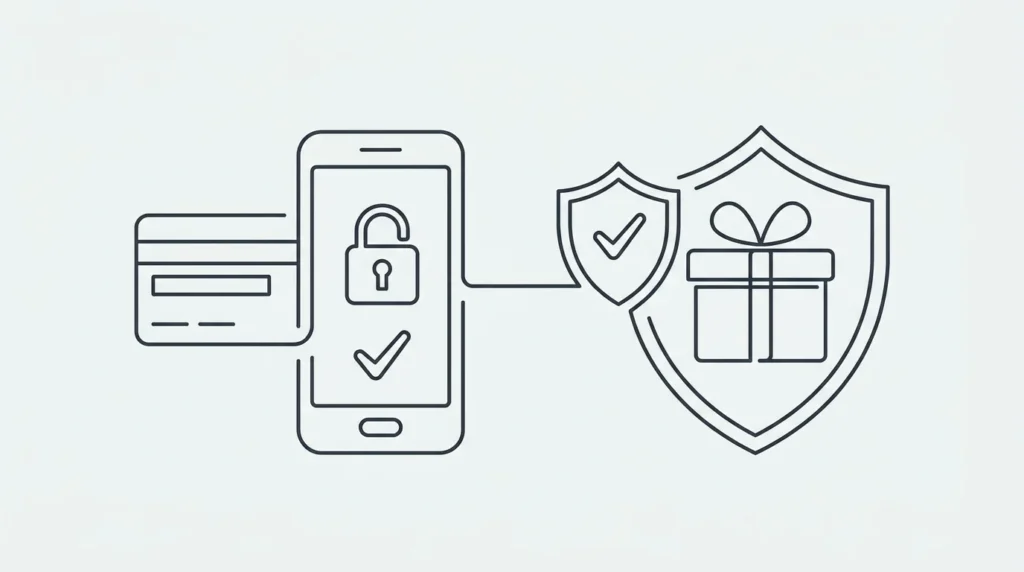
Two-factor authentication (2FA) is a security measure that requires users to provide two different forms of identification before accessing their accounts. This method enhances the security of online purchases by making it more difficult for unauthorized users to gain access. Typically, 2FA involves something you know, such as a password, and something you have, like a smartphone or hardware token. This dual-layer system significantly reduces the risk of fraudulent activities.
The Mechanics of Two-Factor Authentication
The process of 2FA involves entering your password and then confirming your identity through a secondary device or method. This could be a code sent to your smartphone, a biometric scan, or a security key. The secondary step ensures that even if your password is compromised, unauthorized users cannot access your account without the additional factor. This layered security approach is crucial in protecting your online shopping activities.
Why Two-Factor Authentication is Essential for Online Purchases
In the digital age, where cyber threats are ever-evolving, implementing 2FA is essential for secure online transactions. As online shoppers, we often store sensitive information such as credit card details and personal data on various platforms. Two-factor authentication adds an extra layer of security, making it harder for cybercriminals to exploit this information. By requiring an additional verification step, 2FA helps ensure that you are the only person who can access your account.
Enhancing Security with Two-Factor Authentication
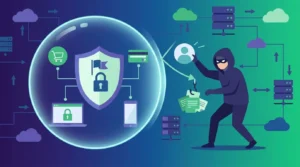
Two-factor authentication significantly enhances security by requiring multiple forms of verification. This provides a robust defense against phishing attacks, where malicious actors attempt to steal your login credentials. Even if your password is phished, 2FA acts as a formidable barrier, preventing unauthorized access. Implementing 2FA on accounts that involve online purchases is a proactive step towards safeguarding your financial data.
The Role of 2FA in Preventing Fraud
Fraud prevention is a critical advantage of using two-factor authentication. By requiring a second form of verification, 2FA minimizes the risk of fraudsters making unauthorized purchases using your account. This added security layer can deter cybercriminals, as the complexity of breaching both authentication factors is significantly higher than hacking a simple password.
Case Studies: Success Stories of Two-Factor Authentication
Many companies have reported a substantial decrease in unauthorized access and fraud cases after implementing two-factor authentication. For instance, online retailers have observed a reduction in chargebacks and fraudulent transactions. These success stories underscore the effectiveness of 2FA in protecting online purchases and enhancing overall security.
How to Enable Two-Factor Authentication for Your Accounts
Enabling two-factor authentication is a straightforward process. Most online platforms offer 2FA options in their security settings. Users can choose from various authentication methods, such as SMS codes, authenticator apps, or biometric verification. It is advisable to enable 2FA on all accounts that involve financial transactions to ensure maximum protection.
Common Misconceptions About Two-Factor Authentication
Despite its benefits, there are several misconceptions about two-factor authentication. Some users believe it is cumbersome or unnecessary if they already have strong passwords. However, 2FA is an additional security layer that complements strong passwords, not a replacement. Understanding its importance can help dispel myths and encourage wider adoption.
Exploring Alternatives to Traditional 2FA Methods
While SMS-based 2FA is common, other methods such as authenticator apps and hardware tokens offer enhanced security. Authenticator apps generate time-sensitive codes, providing an extra layer of protection. Hardware tokens, on the other hand, offer a physical form of authentication that is less susceptible to remote attacks. Exploring these alternatives can provide a more secure shopping experience.
The Future of Two-Factor Authentication in Online Shopping
As technology evolves, so does the landscape of online security. The future of two-factor authentication may include more advanced biometric methods and seamless integration with online platforms. Users can look forward to more sophisticated and user-friendly 2FA options that provide robust security without compromising convenience. For more insights on future authentication methods, you can explore The Future of Passwordless Authentication in Online Shopping.
Integration of Two-Factor Authentication with E-commerce Platforms
The integration of two-factor authentication (2FA) into e-commerce platforms is a crucial development in bolstering online security. Many platforms are now embedding 2FA as a standard security feature, making it easier for consumers to protect their accounts and transactions. This integration involves the seamless addition of 2FA options during the checkout process or account setup, ensuring that users can enable this security measure without any technical hurdles.
Some e-commerce platforms have gone a step further by offering customizable 2FA settings, allowing users to choose the authentication method that best suits their needs. This can include options like SMS authentication, email verification, or the use of third-party authentication apps. By providing a variety of options, platforms cater to a broader audience, enhancing user experience while maintaining high security standards.
Moreover, platforms that integrate 2FA often provide educational resources to guide users through the setup process. This proactive approach not only encourages adoption but also empowers users to take control of their online security. As more e-commerce sites adopt 2FA, it sets a new standard for security in the online shopping industry, ensuring that protecting sensitive information becomes a shared responsibility between the platform and the user.
Challenges and Considerations in Implementing Two-Factor Authentication
While two-factor authentication offers substantial security benefits, its implementation is not without challenges. One of the primary concerns is user accessibility. Not all users have access to the necessary technology for certain 2FA methods, such as smartphones or hardware tokens, which can lead to difficulties in accessing their accounts.
Another challenge is the potential for user inconvenience. Some users may find the additional step in the login process cumbersome, especially if they frequently access their accounts. This can lead to resistance in adopting 2FA, despite its security advantages. To address this, companies are exploring ways to streamline the authentication process, such as using biometric methods that provide quick and seamless access.
Furthermore, the security of the second factor itself is a consideration. For instance, SMS-based verification can be vulnerable to SIM swapping attacks, where cybercriminals hijack a user’s phone number to intercept verification codes. To mitigate such risks, many experts recommend using authenticator apps or hardware tokens, which are generally considered more secure.
Finally, businesses must consider the cost and complexity of implementing 2FA systems. They need to ensure that their infrastructure can support the additional security protocols without affecting performance. This requires careful planning and investment in reliable authentication technologies that can scale with their user base.
Despite these challenges, the benefits of implementing two-factor authentication far outweigh the drawbacks. By addressing these considerations and continuously improving the user experience, companies can foster a secure environment that protects consumers’ online purchases and builds trust in digital transactions.