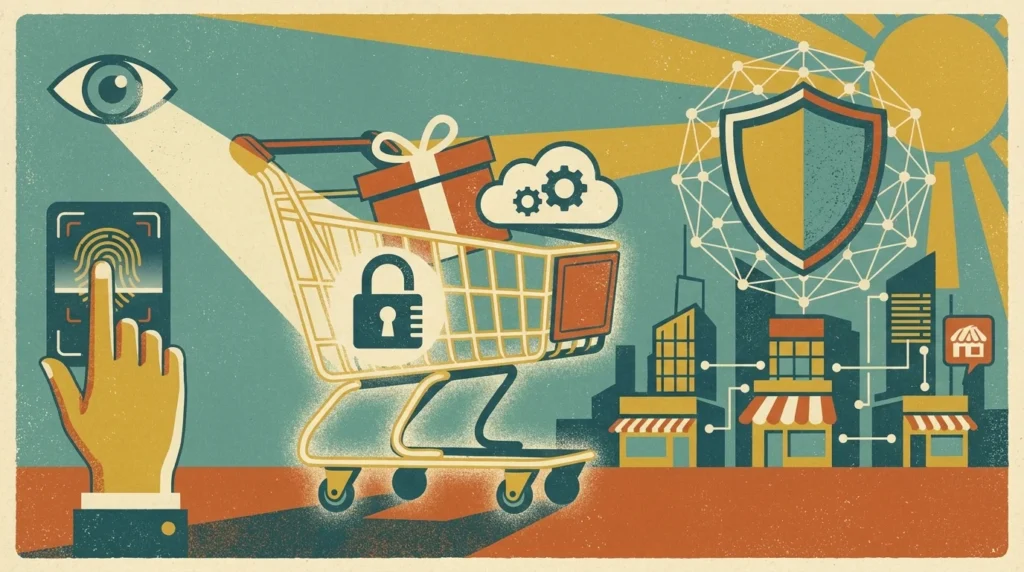
As online shopping continues to evolve, security and convenience remain at the forefront of consumer concerns. Passwordless authentication emerges as a promising solution, offering enhanced security while simplifying the user experience. This approach eliminates the need for traditional passwords, which are often cumbersome and vulnerable to breaches.
The Rise of Passwordless Authentication
Passwordless authentication leverages advanced technologies like biometrics, magic links, and one-time codes to verify users. This method not only enhances security but also streamlines the login process. With cyber threats becoming increasingly sophisticated, traditional passwords are no longer sufficient. The transition to passwordless systems is gaining momentum, driven by the need for more secure and user-friendly solutions.
Benefits for Online Shoppers
For online shoppers, passwordless authentication offers several advantages. It reduces the risk of password-related breaches and enhances user convenience. Shoppers no longer need to remember complex passwords or worry about password fatigue, making the shopping experience seamless. Additionally, this approach provides a higher level of security, protecting sensitive information from potential cyber threats.
Biometric Authentication: A Key Component
Biometric authentication plays a crucial role in the passwordless landscape. By using unique physical characteristics like fingerprints or facial recognition, it offers a secure and convenient way to verify identities. As discussed in Understanding Biometric Authentication for Online Shopping, this technology enhances security measures in e-commerce, reducing the chances of unauthorized access.
How Passwordless Authentication Works
The implementation of passwordless authentication typically involves several steps. Users may receive a magic link via email or SMS, or use biometric data for access. These methods are secure and convenient, eliminating the need for traditional passwords. Such systems utilize advanced algorithms to ensure secure user verification, reducing the likelihood of fraud.
Challenges and Considerations
Despite its benefits, passwordless authentication faces challenges. Privacy concerns, technological adoption barriers, and the need for infrastructure upgrades can hinder widespread implementation. Companies must address these issues to ensure smooth transitions and maintain consumer trust. Educating users about the benefits and security measures of passwordless systems is also crucial for successful adoption.
The Future of Secure Online Shopping
As e-commerce continues to grow, passwordless authentication will likely become a standard practice. It aligns with the future of online shopping, where security and user experience are paramount. With technologies like augmented reality and biometric authentication gaining traction, as explored in How Augmented Reality is Transforming Online Shopping Experiences, the integration of passwordless systems will further enhance the digital shopping landscape.
Conclusion
In conclusion, passwordless authentication represents a significant shift in online shopping security. By eliminating traditional passwords, it offers a more secure and convenient experience for consumers. As the digital marketplace evolves, embracing passwordless systems will be crucial for ensuring safety and enhancing user satisfaction.
Technological Innovations Driving Passwordless Authentication
The evolution of passwordless authentication is closely tied to technological advancements that are reshaping the digital landscape. One of the primary drivers is the rapid development in artificial intelligence (AI) and machine learning (ML). These technologies play a crucial role in enhancing the accuracy and reliability of biometric systems, such as facial recognition and fingerprint scanning. AI and ML algorithms are constantly improving, allowing for faster processing and reducing the likelihood of false positives or negatives.
Another significant innovation is the advancement of secure enclave technology, which provides a trusted execution environment for sensitive data processing. This technology ensures that biometric data and other authentication credentials are stored and processed securely, minimizing the risk of data breaches. Additionally, the rise of blockchain technology is contributing to the development of decentralized identity systems, which empower users to have more control over their personal data while facilitating secure and seamless authentication processes.
Impact on Retailers and E-commerce Platforms
The shift towards passwordless authentication not only benefits consumers but also has significant implications for retailers and e-commerce platforms. By implementing these systems, retailers can enhance their security posture, reducing the risk of data breaches and the associated financial and reputational damages. Moreover, passwordless authentication can streamline the checkout process, leading to higher conversion rates and improved customer satisfaction.
For e-commerce platforms, adopting passwordless authentication can be a competitive differentiator, attracting security-conscious consumers who value convenience. Additionally, these systems can reduce customer support costs, as they minimize the instances of account recovery and password reset requests. Retailers also benefit from the insights gained through advanced analytic tools integrated with passwordless systems, enabling them to personalize shopping experiences and optimize marketing strategies.
Consumer Trust and Adoption
While passwordless authentication offers numerous benefits, gaining consumer trust and widespread adoption remains a challenge. Consumers may have concerns about privacy and the security of their biometric data. To address these concerns, companies must prioritize transparency, educating users about how their data is collected, stored, and used. Clear communication regarding privacy policies and robust data protection measures can help build trust and encourage adoption.
In addition to privacy concerns, there is the challenge of varying degrees of technological literacy among consumers. To ensure a smooth transition, retailers and e-commerce platforms should focus on user-friendly interfaces and provide comprehensive support and guidance. Offering multiple authentication options can also cater to different user preferences and comfort levels, facilitating a more inclusive approach to passwordless authentication.
Ultimately, the future of passwordless authentication in online shopping hinges on the ability of companies to address these challenges and foster a secure, convenient, and trustworthy environment for consumers. As technology continues to evolve, the adoption of passwordless systems will likely accelerate, transforming the way consumers interact with digital platforms.