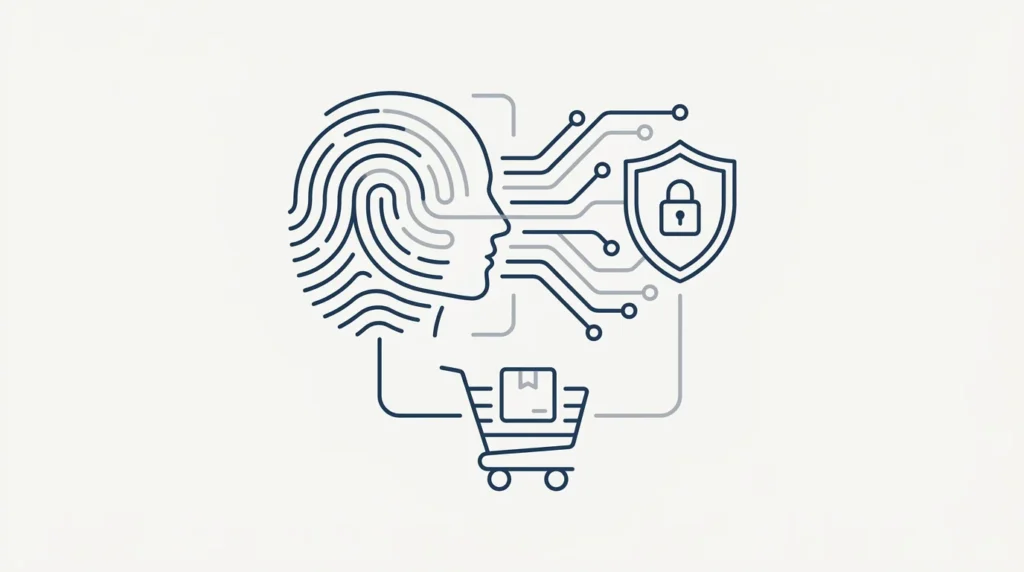
Biometric authentication is revolutionizing the way we secure online shopping experiences. It offers a robust layer of security by using unique biological traits such as fingerprints or facial recognition to verify user identity. As e-commerce continues to expand, understanding the role of biometric authentication becomes crucial for safe and seamless transactions.
What is Biometric Authentication?
Biometric authentication is a security process that relies on the unique biological characteristics of an individual. Unlike traditional passwords or PINs, biometrics are difficult to replicate, making them a secure alternative for verifying identity. Common forms include fingerprint scanning, facial recognition, and voice recognition. These methods provide a more secure and convenient way of accessing online shopping platforms.
Advantages of Biometric Authentication
One of the main advantages of biometric authentication is its ability to offer enhanced security. Since biometrics are unique to each individual, the risk of unauthorized access is significantly reduced. Additionally, biometric authentication simplifies the login process, as users no longer need to remember complex passwords. This ease of use, combined with high security, makes it an attractive option for online shoppers.
How Biometric Authentication Works in E-Commerce
In the realm of e-commerce, biometric authentication can be integrated into mobile apps and websites. Users can utilize their device’s fingerprint scanner or camera for facial recognition to log in or authorize payments. This integration not only enhances security but also streamlines the shopping experience, allowing for quicker checkouts and fewer barriers to completing transactions.
Challenges and Considerations
While biometric authentication offers numerous benefits, it is not without challenges. Privacy concerns are paramount as biometric data is sensitive information. Ensuring that this data is stored securely and used responsibly is essential. Additionally, biometric systems need to be robust against spoofing attempts, such as using photos or recordings to trick the system. E-commerce platforms must invest in cutting-edge technology to address these challenges.
The Future of Biometric Authentication in Online Shopping
The future of online shopping is likely to see increased adoption of biometric authentication. As technology advances, we can expect more sophisticated and user-friendly biometric systems. This evolution will not only enhance security but also improve user experience, making online shopping safer and more efficient for everyone.
Integrating Biometrics with Other Security Measures
Biometric authentication is most effective when used in conjunction with other security measures. Combining biometrics with digital wallets, for example, can offer a multi-layered approach to secure transactions. For more insights on secure transactions, learn about The Benefits of Digital Wallets for Safer Transactions. This integration can further protect personal and financial information while enhancing the overall security framework of online shopping platforms.
Emerging Biometric Technologies
The field of biometric authentication is rapidly evolving, with new technologies being developed to further enhance security and user experience. One such emerging technology is iris recognition, which offers a higher level of accuracy compared to other biometric methods. The unique patterns in the iris of the eye are extremely difficult to replicate, making this method highly secure. Additionally, advancements in behavioral biometrics are gaining traction. This technology analyzes patterns in user behavior, such as typing rhythm, mouse movement, or even how the user holds their device, to authenticate identity.
The integration of these technologies into online shopping platforms can provide an additional layer of security. For instance, combining iris recognition with fingerprint scanning can create a multi-factor authentication process that is both seamless for the user and robust against fraudulent activities. As these technologies become more sophisticated, they will likely become more prevalent in the e-commerce sector, providing even greater security for online transactions.
User Experience and Accessibility
While security is a primary concern with the implementation of biometric authentication, user experience and accessibility are equally important. For biometric systems to be effective, they must be user-friendly and accessible to all individuals, including those with disabilities. Ensuring that biometric technology is inclusive involves designing systems that accommodate a wide range of physical and cognitive capabilities.
For example, voice recognition can be an excellent option for individuals who may have difficulty using fingerprint scanners or facial recognition due to physical limitations. Similarly, providing multiple biometric options allows users to choose the method that best suits their needs and circumstances. By prioritizing accessibility, e-commerce platforms can ensure that all users can benefit from the enhanced security and convenience that biometric authentication offers.
Moreover, integrating biometric authentication with adaptive user interfaces can further enhance the shopping experience. These interfaces can automatically adjust to different user needs, offering personalized experiences based on user preferences and behaviors. This adaptability not only improves usability but also reinforces security by continuously learning and adjusting to typical user patterns.
Regulatory and Ethical Implications
As biometric authentication becomes more prevalent in online shopping, regulatory and ethical considerations must be addressed. Governments and regulatory bodies worldwide are increasingly focusing on the privacy and security implications of biometric data collection and storage. Compliance with regulations such as the General Data Protection Regulation (GDPR) in Europe is crucial for businesses utilizing biometric technologies.
Ethically, companies must consider the implications of biometric data usage and ensure transparency with consumers about how their data is collected, stored, and used. Providing clear and concise privacy policies, along with obtaining informed consent from users, is essential to maintaining trust. Moreover, businesses should implement measures to mitigate any potential biases in biometric systems, ensuring fairness and equality for all users.
By addressing these regulatory and ethical concerns, companies can foster a trustworthy environment for consumers, encouraging the widespread adoption of biometric authentication in online shopping while safeguarding individual rights and privacy.