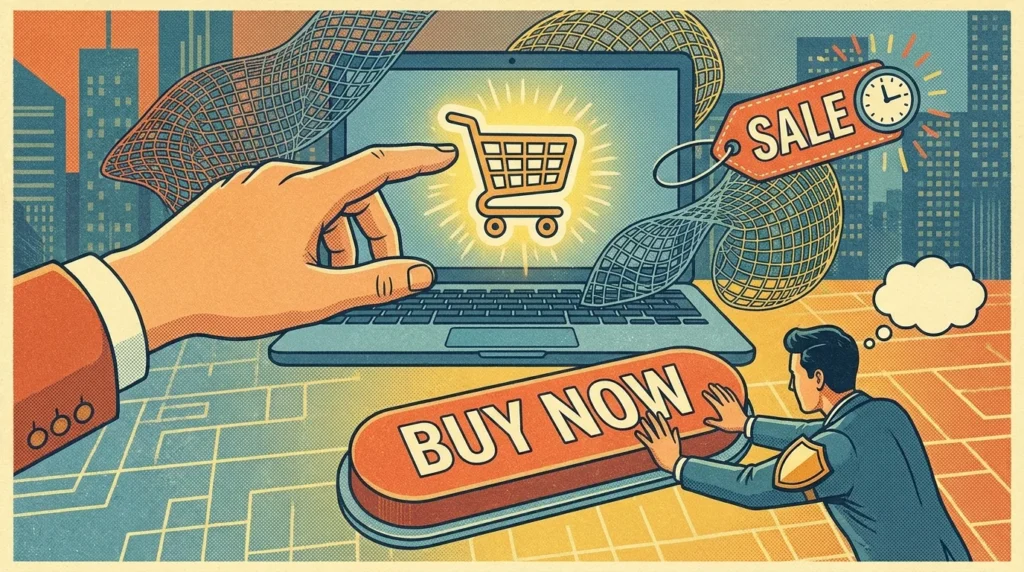
Understanding Impulse Buying in E-Commerce
Impulse buying is a common phenomenon in the world of e-commerce. With the convenience of online shopping, consumers often make unplanned purchases. Understanding why this happens is the first step in avoiding impulse buying traps. Online platforms are designed to encourage spontaneous purchases through features like limited-time offers, flash sales, and personalized recommendations. These tactics play on consumer psychology, making it challenging to resist temptation.
The Psychology Behind Impulse Buying
The psychology of impulse buying involves emotional and cognitive triggers. E-commerce sites use bright colors, persuasive language, and social proof to create a sense of urgency and excitement. For instance, seeing that an item is “almost sold out” can trigger fear of missing out (FOMO), leading to impulsive decisions. Understanding these psychological triggers can help consumers recognize when they are being influenced.
Marketing Strategies That Encourage Impulse Buying
E-commerce platforms employ various marketing strategies to promote impulse buying. These include personalized shopping experiences, tailored to individual preferences, and targeted ads that appear based on browsing history. Additionally, offers like “buy one, get one free” or free shipping on orders over a certain amount can entice consumers to make quick purchases without considering the necessity of the items.
Setting a Budget and Sticking to It
One effective strategy to avoid impulse buying is setting a clear budget before shopping online. By determining how much you can afford to spend, you can make more informed decisions. Sticking to this budget requires discipline, but it helps in reducing unnecessary purchases and keeps your financial health in check.
Creating a Shopping List
Before engaging in online shopping, create a detailed shopping list. This list should include only the items you truly need. By referring to the list while shopping, you can resist the temptation to add extra items to your cart. A shopping list acts as a guide, helping you focus on your actual needs rather than wants.
Evaluating the Need for Each Purchase
Whenever you feel the urge to make an impulse purchase, pause and evaluate the necessity of the item. Ask yourself questions like: “Do I really need this?” and “Will this add value to my life?” Taking a moment to reflect can prevent impulsive decisions and ensure that your purchases align with your needs.
Avoiding Subscription Traps
Subscription traps are a common form of impulse buying in e-commerce. Many online platforms offer free trials that automatically convert to paid subscriptions. To avoid these traps, carefully read the terms and conditions before signing up. You can also set reminders to cancel subscriptions before the trial period ends. Learn more about this in our article on avoiding subscription traps.
The Role of Social Media Influencers
Social media influencers often promote products that can lead to impulse buying. Their endorsements can create a perception of trust and desirability. However, it’s important to critically assess whether these recommendations align with your needs. For more insights, read our article on how social media influencers impact buying decisions.
Using Technology to Your Advantage
Technology can be a powerful ally in avoiding impulse buying traps. Many apps and browser extensions are available to help track spending and analyze shopping habits. By using these tools, consumers can gain a better understanding of their spending patterns and make more conscious purchasing decisions.
Practicing Mindful Shopping
Mindful shopping involves being fully present and aware during the purchasing process. This means paying attention to your emotions and thoughts before making a purchase. By practicing mindfulness, you can reduce impulsive behavior and make more deliberate choices that are in line with your values and financial goals.
Conclusion
Impulse buying traps in e-commerce are designed to exploit consumer vulnerabilities. However, by understanding the strategies used by online platforms and implementing practical techniques such as budgeting, making shopping lists, and practicing mindfulness, you can take control of your online shopping habits. Remember, the key is to remain vigilant and make purchases that truly serve your needs and goals.
Understanding and Managing Emotional Triggers
Emotional triggers are a significant factor in impulse buying, especially in the e-commerce world. Emotions such as stress, boredom, or excitement can lead to unplanned purchases as individuals seek instant gratification or distraction. Retailers often capitalize on these emotional states by creating advertisements and shopping experiences that resonate emotionally with the consumer.
To manage emotional triggers, it is essential to recognize when emotions are influencing your shopping behavior. One effective method is to implement a “cooling-off” period. If you find yourself emotionally driven to make a purchase, take a step back and wait for a set period, such as 24 hours, before completing the transaction. This pause allows you to reassess the necessity of the item and whether it aligns with your long-term goals and needs.
Additionally, consider alternative activities that can fulfill the emotional need driving your urge to shop. For instance, if you are feeling stressed, engage in a relaxing activity such as reading, exercising, or meditating. By addressing the underlying emotion, you can reduce the impulse to buy as a form of emotional escape.
Leveraging Reviews and User Feedback
Before making a purchase, especially on impulse, it’s valuable to leverage reviews and user feedback. Many e-commerce platforms provide customer reviews and ratings for products, offering insights into the quality and satisfaction levels of previous buyers. Taking the time to read reviews can prevent you from purchasing items that may not meet your expectations or needs.
When evaluating reviews, look for common themes in feedback. Pay attention to both positive and negative reviews, and consider whether the aspects mentioned are relevant to your intended use of the product. User feedback can also reveal whether a product is genuinely valuable or if it fails to live up to its marketing claims.
Beyond individual product reviews, participating in online forums or communities related to the product category can offer additional perspectives and advice. Engaging with other consumers who have similar interests can provide a more comprehensive understanding of the product’s real-world performance and utility.
Utilizing Wishlist Features
Many e-commerce websites offer wishlist features that allow you to save items for future consideration. Utilizing this feature can be a strategic tool in managing impulse buying. Instead of immediately purchasing an item, add it to your wishlist and revisit it after some time has passed. This practice can help you determine whether the desire to purchase was truly impulsive or if the product remains relevant to your needs.
The wishlist feature also allows you to track price changes and receive notifications of sales or discounts, enabling more financially savvy purchasing decisions. By monitoring items on your wishlist, you can wait for favorable purchasing conditions, thereby reducing impulse-driven spending.
Exploring Alternatives to Buying
Impulse buying often stems from a perceived need to acquire something new or exciting. However, it’s worth exploring alternatives to buying that can satisfy that desire without financial expenditure. Consider borrowing, renting, or swapping items instead of purchasing them outright. Many online platforms facilitate exchanges or rentals, particularly for items like books, clothing, or electronics.
Engaging in DIY projects or upcycling existing items can also fulfill the urge to acquire something new while being cost-effective and environmentally friendly. By repurposing or creating items, you can achieve a sense of novelty and satisfaction without falling into impulse buying traps.