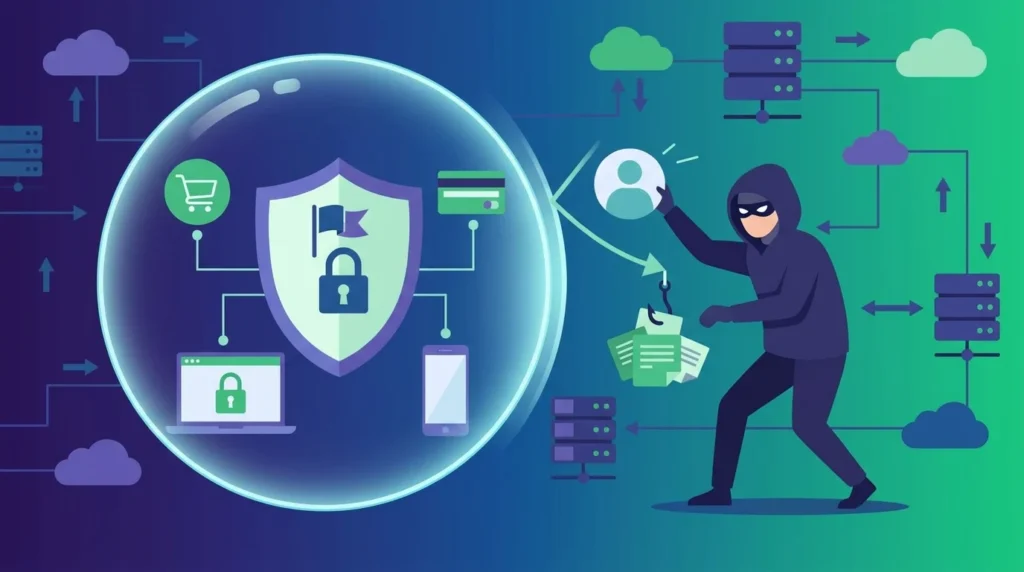
Identity theft has become a significant concern in the realm of e-commerce, as more consumers turn to online shopping for convenience and variety. The digital landscape offers numerous opportunities for cybercriminals to exploit vulnerabilities, making identity theft prevention a critical focus for both consumers and businesses.
Understanding Identity Theft in E-Commerce
Identity theft in e-commerce involves the unauthorized acquisition of personal information, such as credit card details, social security numbers, and other sensitive data, with the intent to commit fraud. Cybercriminals employ various tactics, including phishing, data breaches, and malware, to access this information. Understanding these methods is the first step in implementing effective identity theft prevention strategies.
The Impact of Data Breaches
Data breaches are a common source of identity theft in e-commerce. When cybercriminals infiltrate a company’s system, they can steal vast amounts of personal information. Businesses must prioritize robust cybersecurity measures, such as encryption and secure networks, to protect customer data. For consumers, using unique passwords and monitoring financial statements regularly can help mitigate the impact of a data breach.
The Role of Phishing Scams
Phishing scams are another prevalent method used by cybercriminals to commit identity theft. These scams often involve deceptive emails or websites that appear legitimate but are designed to steal personal information. Consumers can protect themselves by being cautious with unsolicited communications and verifying the authenticity of any requests for personal data. For more detailed strategies, visit our article on The Rise of Phishing Scams in E-Commerce and How to Protect Yourself.
Importance of Strong Passwords
One of the simplest yet most effective methods of identity theft prevention is the use of strong, unique passwords. Passwords should be complex, incorporating a mix of letters, numbers, and symbols. Additionally, using a password manager can help keep track of multiple passwords securely. Regularly updating passwords adds an extra layer of security against potential breaches.
Enhancing Security with Two-Factor Authentication
Two-factor authentication (2FA) provides an additional security measure by requiring a second form of verification before granting access to an account. This could be a code sent to a mobile device or a biometric verification such as a fingerprint. Implementing 2FA can significantly reduce the risk of identity theft, as it adds another hurdle for cybercriminals to overcome.
Utilizing Secure Payment Methods
Choosing secure payment methods, such as digital wallets or encrypted payment systems, can help protect personal information during online transactions. Consumers should also be cautious about storing payment information on websites and consider using disposable virtual cards for added security. For more insights, read our guide on How to Choose the Right Payment Method for Online Purchases.
The Role of Artificial Intelligence in Fraud Prevention
Artificial Intelligence (AI) is increasingly being used to detect and prevent identity theft in e-commerce. AI can analyze patterns and identify unusual activities, alerting companies to potential threats in real-time. This technology plays a crucial role in enhancing security measures and protecting consumer data. Learn more about AI’s impact in our article The Impact of Artificial Intelligence on Online Shopping Fraud Prevention.
Regular Monitoring of Financial Accounts
Regularly monitoring bank and credit card statements can help consumers detect unauthorized transactions early. Setting up alerts for unusual activity can provide timely notifications, allowing consumers to act quickly to prevent further damage. This proactive approach is a key aspect of identity theft prevention.
Educating Consumers on Cybersecurity
Consumer education is vital in the fight against identity theft. By understanding the risks and knowing how to identify potential threats, consumers can better protect themselves. Businesses should offer resources and support to help educate their customers on best practices for online safety.
Collaboration Between Businesses and Consumers
Effective identity theft prevention requires collaboration between businesses and consumers. Businesses must implement and maintain robust security measures, while consumers need to take personal responsibility for safeguarding their information. Together, these efforts can create a safer online shopping environment.
Conclusion
As the threat of identity theft continues to grow in e-commerce, both consumers and businesses must remain vigilant. By employing a combination of strong passwords, two-factor authentication, secure payment methods, and AI-driven security measures, we can work towards reducing the risk of identity theft and ensuring a safer online shopping experience for everyone.
The Importance of Data Encryption
Data encryption is a vital tool in the fight against identity theft in e-commerce. Encryption involves converting data into a coded format that is unreadable without a decryption key, thus protecting sensitive information from unauthorized access. Businesses handling personal and financial information must prioritize encryption to safeguard their customers’ data.
There are two main types of encryption used in e-commerce: symmetric and asymmetric encryption. Symmetric encryption uses a single key for both encryption and decryption, making it efficient for securing data in transit. However, its reliance on a single key makes key management crucial. Asymmetric encryption, on the other hand, uses a pair of keys—a public key for encryption and a private key for decryption. This method enhances security but can be slower due to its complexity.
Implementing encryption at various levels—such as encrypting data stored in databases, securing communication channels with SSL/TLS protocols, and using end-to-end encryption for transactions—can significantly reduce the risk of data breaches.
For consumers, understanding and inquiring about a business’s encryption practices can help them make informed decisions about where to shop online. Businesses should be transparent about their encryption measures to build trust with their customers.
Implementing Identity Verification Systems
Identity verification systems are critical in preventing identity theft in e-commerce, as they help ensure that the person making a transaction is indeed who they claim to be. These systems can range from simple knowledge-based authentication questions to advanced biometric verification methods.
Multi-layered verification processes can include steps such as verifying email addresses, phone numbers, and physical addresses. More sophisticated methods, like facial recognition, fingerprint scanning, or voice recognition, are becoming increasingly popular due to their accuracy and convenience.
One of the most effective identity verification strategies is knowledge-based authentication, where users must answer questions based on their personal history. While this method can be effective, it is important to note that it can also be vulnerable if the answers can be easily guessed or found online.
Biometric verification is gaining traction due to its reliance on unique physical characteristics, making it difficult for cybercriminals to replicate. However, businesses must ensure that biometric data is stored securely and used in compliance with privacy regulations.
For businesses, implementing robust identity verification systems not only helps prevent fraudulent activities but also enhances customer confidence and satisfaction. Consumers can feel more secure knowing that their identities are being protected through advanced verification technologies.
Utilizing Behavioral Analytics for Fraud Detection
Behavioral analytics is an emerging field in cybersecurity that involves analyzing patterns in user behavior to detect anomalies that might indicate fraudulent activities. This method can be particularly effective in the e-commerce sector, where understanding the typical behavior of a customer can help identify suspicious actions that deviate from the norm.
By leveraging machine learning algorithms, businesses can create profiles of normal user behavior, such as purchase patterns, login times, and device usage. Any deviations from these patterns can trigger alerts for potential fraud, allowing businesses to take swift action to mitigate risks.
For example, if a customer who typically shops using a desktop computer suddenly makes a large purchase from a foreign IP address on a mobile device, this could signal a compromised account. Behavioral analytics can detect such anomalies in real time, providing an additional layer of security.
Implementing behavioral analytics requires a balance between security and user privacy. Businesses must be transparent about their data collection practices and ensure compliance with privacy laws to maintain customer trust. By using behavioral analytics responsibly, businesses can significantly enhance their ability to prevent identity theft.
Role of Government Regulations in Identity Theft Prevention
Government regulations play a critical role in establishing standards and guidelines for identity theft prevention in e-commerce. Regulations such as the General Data Protection Regulation (GDPR) in Europe and the California Consumer Privacy Act (CCPA) in the United States mandate stricter data protection measures and give consumers more control over their personal information.
These regulations require businesses to implement comprehensive data protection strategies, conduct regular security assessments, and report data breaches promptly. Compliance with such regulations is not only a legal obligation but also a crucial step in building consumer trust and reducing the risk of identity theft.
For consumers, understanding their rights under these regulations can empower them to take action if they believe their data has been mishandled or if they are victims of identity theft. By advocating for stronger regulations and holding businesses accountable, consumers can contribute to a safer e-commerce environment.
Overall, government regulations serve as a framework for businesses to follow in their efforts to protect customer data, while also providing consumers with the necessary tools and resources to safeguard their identities online.