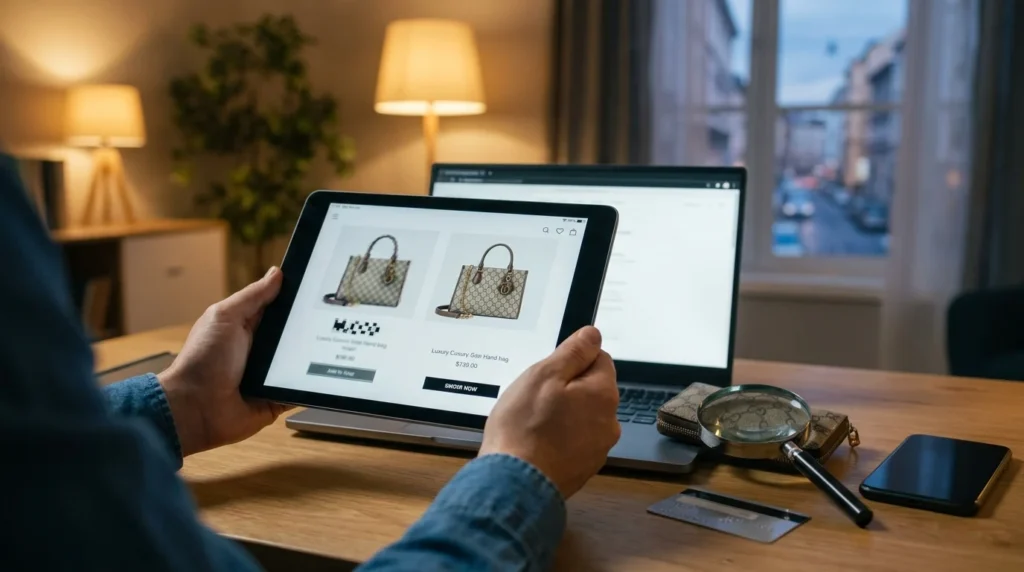
Understanding the Risks of Counterfeit Products
Shopping online offers convenience, but it also comes with the risk of encountering counterfeit products. These fake items can range from fashion accessories to electronics, and purchasing them unknowingly can lead to financial loss and potential safety hazards. Understanding these risks is the first step in safeguarding your online shopping experience.
Identifying Suspicious Pricing
One of the most obvious red flags when trying to spot counterfeit products is suspiciously low pricing. If a deal seems too good to be true, it probably is. Genuine products have a standard market price, and significant deviations should raise concerns. Always compare prices across different platforms to ensure consistency and authenticity.
Examining Product Descriptions and Images
Carefully reviewing product descriptions and images is crucial. Counterfeit sellers often use vague or incomplete descriptions, as well as low-quality images that do not accurately represent the product. High-resolution images and detailed descriptions are indicative of legitimate products. Be wary of discrepancies in product specifications and features.
Checking Seller Credentials
Before making a purchase, investigate the seller’s credentials. Reputable sellers typically have positive reviews and a history of satisfied customers. Use resources such as this guide to verify the legitimacy of an online store. Transparency regarding return policies and customer service availability are additional indicators of a trustworthy seller.
Reading Customer Reviews
Customer reviews are valuable resources in identifying counterfeit products. Look for reviews that provide detailed insights into the product’s quality and authenticity. Be cautious of overly positive or negative reviews, which could be fake. Visit this article to learn more about identifying fake reviews and making informed decisions.
Utilizing Secure Payment Methods
Opting for secure payment methods such as credit cards or established payment processors can offer an additional layer of protection. These methods often provide recourse in case of fraud. Avoid direct bank transfers or payment methods that do not offer buyer protection. Secure transactions are crucial when trying to spot counterfeit products and keep your financial information safe.
Knowing What to Do if Scammed
If you suspect you have purchased a counterfeit product, act quickly. Contact the seller for a resolution, and if that fails, report the issue to the platform where the purchase was made. For further steps, refer to this guide on what to do if scammed online. Prompt action can help mitigate losses and prevent future scams.
Understanding Brand Packaging and Labels
Another critical aspect of spotting counterfeit products online is familiarizing yourself with the genuine brand’s packaging and labeling. Authentic products often have specific packaging elements that counterfeiters may overlook. By knowing what to expect from a brand’s packaging, you can more easily identify fakes.
Start by visiting the brand’s official website to study images of their product packaging. Pay attention to details such as the color scheme, font type, and logos. Authentic products usually have high-quality printing, precise logo placement, and consistent branding across all items. Counterfeit products, on the other hand, might have misspelled brand names, incorrect logos, or poor-quality printing on their packaging.
Labels are another key component. Genuine products often include detailed labels with information such as manufacturing details, expiration dates, and batch numbers. Counterfeit products may lack these details or present them in a less professional manner. When shopping online, request additional photos of the product, especially close-ups of the labels and packaging, if they are not already provided. This attention to detail can help you differentiate between real and fake items.
Leveraging Technology for Verification
In the digital age, technology can be an ally in identifying counterfeit products. Several tools and applications are available to assist consumers in verifying the authenticity of a product before making a purchase.
One such tool is the barcode scanner app. Many genuine products come with a barcode that can be scanned using a smartphone app to verify its authenticity. These apps can provide information about the product’s origin, manufacturer, and other essential details. If the scanned information does not match the product description or is unavailable, it might be a counterfeit.
Another technological approach involves using QR codes. Some brands include QR codes on their products or packaging that, when scanned, lead to a webpage confirming the product’s authenticity. This method is increasingly popular among luxury brands and electronics manufacturers as it provides an additional layer of verification.
Furthermore, several online platforms and browser extensions can help detect counterfeit products by analyzing seller information, price history, and customer reviews. These tools often aggregate data from various sources to give you a comprehensive overview of the product and the seller’s credibility.
By incorporating these technological solutions into your online shopping routine, you can enhance your ability to spot counterfeit products, thereby making more informed purchasing decisions and protecting yourself from potential scams.