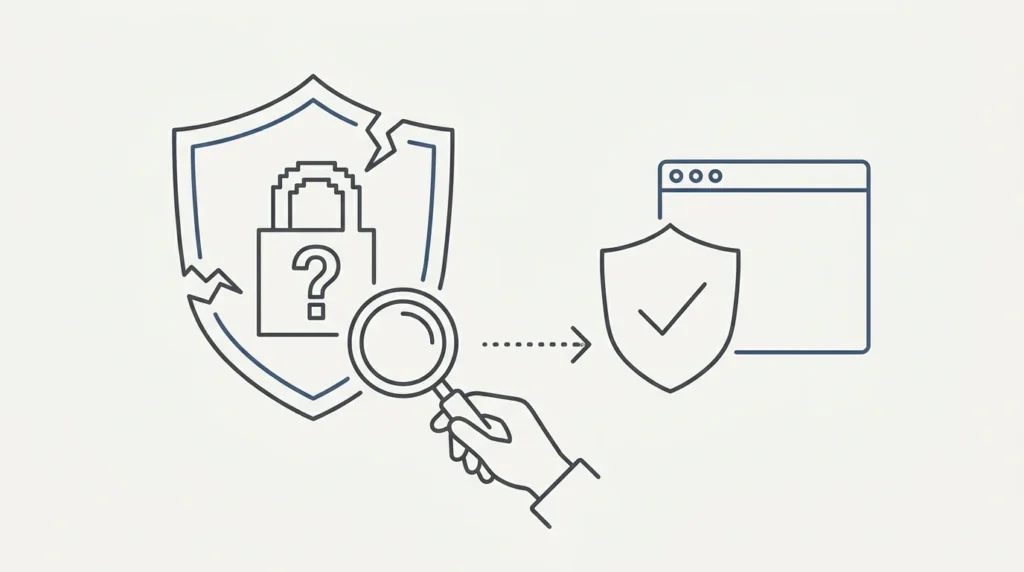
In today’s digital age, online shopping and e-commerce have become integral to our daily lives. With this surge in online transactions, ensuring website security is more crucial than ever. Trust seals are often used by websites to assure customers of their legitimacy and security. However, not all trust seals are genuine. In this article, we will explore what you can do when you discover a fake trust seal on a website.
Understanding Trust Seals
Trust seals are small badges displayed on e-commerce websites to indicate that the site is secure and trustworthy. They usually signify that the website has undergone security checks and meets certain standards. Common trust seals include those from companies like Norton, McAfee, and TRUSTe. However, not all seals are legitimate. Fake trust seals can be easily created and placed on fraudulent websites to deceive unsuspecting customers.
Identifying a Fake Trust Seal
Spotting a fake trust seal requires a keen eye for detail. First, examine the seal closely for any obvious discrepancies, such as spelling errors or low-quality images. Genuine trust seals are typically of high resolution and professionally designed. Additionally, clicking on a real trust seal should redirect you to a verification page on the issuing company’s website. If clicking on the seal does not lead anywhere or leads to a suspicious page, it is likely fake.
Steps to Take When You Find a Fake Trust Seal
When you encounter a fake trust seal, the first step is to avoid making any purchases from the site. Conduct further research to confirm your suspicions. Search for reviews and feedback from other users about the website. Use online tools to check the website’s history and reputation. If the website is new or has a history of complaints, it is best to steer clear.
Reporting Fake Trust Seals
Reporting a fake trust seal is essential in combating online fraud. Contact the company that supposedly issued the trust seal and inform them about the fraudulent use of their badge. They may take action against the offending website. Additionally, report the website to consumer protection agencies and online platforms dedicated to combating fraud. Sharing your experience can help protect other consumers from falling victim to scams.
Protecting Yourself from Future Scams
To avoid falling for fake trust seals in the future, it is important to adopt safe online practices. Always verify website credentials before making a purchase. Enable security features on your browser and use secure payment methods. Regularly update your antivirus software to protect against malware and phishing attacks. By staying informed and vigilant, you can significantly reduce your risk of encountering fake trust seals.
Learning from Others’ Experiences
Reading about others’ experiences with online scams can be an invaluable resource. Learning from case studies and testimonials can provide insights into how scammers operate. For example, the article on TikTok Shop Scams offers a detailed look into common scams and how to avoid them. Utilizing resources like these can arm you with the knowledge needed to navigate the online marketplace safely.
Recognizing Trusted Websites Without Relying on Seals
While trust seals can provide a level of assurance, there are other indicators that can help determine the legitimacy of a website. One of the primary aspects to consider is the website’s URL. Secure websites typically use ‘https://’ rather than ‘http://’, indicating that they use encryption to protect user data. The presence of a padlock symbol in the browser’s address bar can also certify that the connection is secure.
Another factor is the site’s contact information. Legitimate businesses often provide detailed contact information, including an address, phone number, and email. If a website only offers a contact form or lacks extensive contact details, it may be a red flag. Additionally, check for a privacy policy and terms of service, as these are standard for reputable websites.
User interface and design quality can be telling as well. Professional websites invest in user-friendly interfaces and quality design. If a website appears cluttered or unprofessional, further scrutiny is warranted. Moreover, be cautious if the site is riddled with pop-ups or redirects, as these can be signs of a less-than-reputable operation.
Utilizing Browser Extensions for Added Security
Browser extensions can be a powerful tool in enhancing online security and identifying potentially fraudulent websites. Extensions like Web of Trust (WOT) and HTTPS Everywhere can provide real-time insights into the reliability of websites you visit. WOT offers community-driven ratings and reviews, allowing users to share their experiences and warn others about suspicious sites.
HTTPS Everywhere, developed by the Electronic Frontier Foundation, ensures that your connection to websites is securely encrypted whenever possible. By automatically converting ‘http://’ to ‘https://’, this extension reduces the risk of data interception. Other security-focused extensions, such as uBlock Origin, can block ads and trackers that are often used in conjunction with phishing schemes.
Incorporating these tools into your browsing habits can significantly bolster your defenses against fraudulent websites and their deceptive practices. However, it’s important to regularly update these extensions and remain aware of new security threats as they emerge.