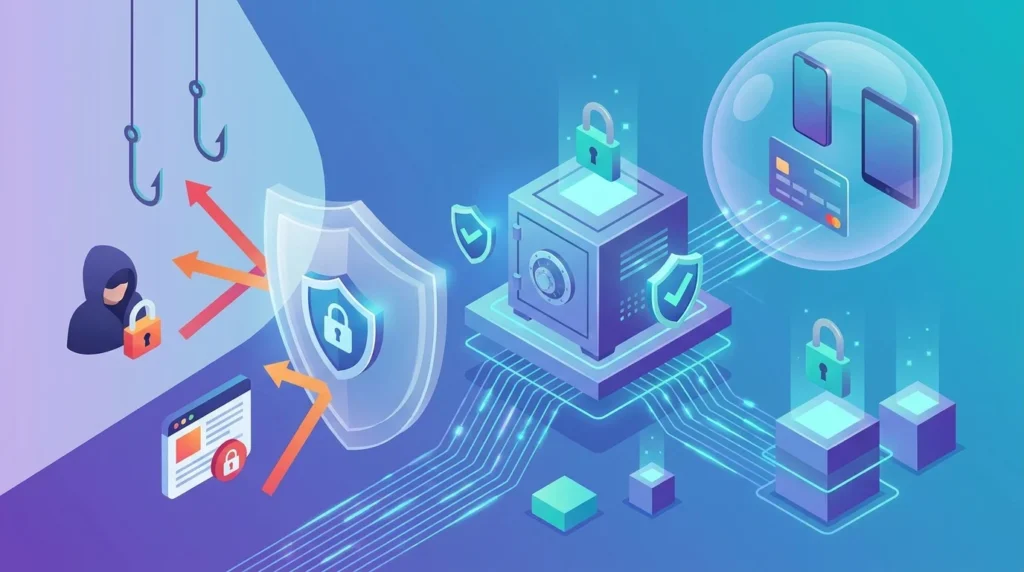
In today’s digital age, online payment fraud has become a significant concern for consumers worldwide. With the increasing reliance on digital transactions, it’s crucial to understand how to identify and avoid these fraudulent activities. This article will guide you through practical steps to safeguard your online payments.
Understanding Online Payment Fraud
Online payment fraud refers to any deceitful transaction made by cybercriminals to steal money or personal information. Fraudsters often use various tactics, such as phishing, identity theft, and malicious software, to achieve their goals. By recognizing these threats, consumers can take proactive measures to protect themselves.
Recognizing the Signs of Fraud
One of the first steps in preventing online payment fraud is identifying its signs. Suspicious activities include unauthorized transactions, unfamiliar charges on your account, and emails requesting sensitive information. Always be wary of emails or messages that ask for personal details, as they might be phishing attempts. For more tips on avoiding scams, visit our article on Recognizing and Avoiding Online Shopping Traps.
Using Secure Payment Methods
To minimize the risk of online payment fraud, opt for secure payment methods. Credit cards, for example, often provide better fraud protection compared to debit cards. Additionally, using payment gateways with strong encryption methods can enhance security. Explore our comprehensive guide on Comparing Online Payment Gateways for more insights.
Implementing Strong Security Measures
Enhancing your security measures can significantly reduce the risk of online payment fraud. Ensure that your devices have up-to-date antivirus software and firewalls. Enable two-factor authentication for an added layer of security. We also recommend educating your family on safe online practices by reading our article on How to Educate Your Family on Safe Online Shopping Practices.
Monitoring Financial Accounts Regularly
Regularly monitoring your financial accounts is crucial for early detection of fraudulent activities. Check your bank and credit card statements frequently for any unauthorized transactions. Report any suspicious activity to your bank immediately to prevent further losses. For more tips, read our article on Protecting Your Financial Data Online.
Utilizing Advanced Technologies
Advanced technologies like artificial intelligence and blockchain can play a vital role in combating online payment fraud. AI can analyze transaction patterns and detect anomalies, while blockchain provides a secure ledger for transactions. Our article on The Role of Artificial Intelligence in Preventing Online Fraud offers a deeper insight into these technologies.
What to Do If You Fall Victim
If you suspect you’ve been a victim of online payment fraud, it’s essential to act quickly. Contact your bank or credit card company to report unauthorized transactions. Change your passwords and monitor your accounts closely. For a detailed guide on what to do, refer to our article on Scammed Online? Do These 7 Things in the First 24 Hours.
Educating Yourself About Common Fraud Schemes
Being aware of the latest fraud schemes is crucial for protecting yourself against online payment fraud. Fraudsters are continuously developing new tactics to trick unsuspecting individuals. Some common schemes include:
- Phishing Scams: These involve fake emails or websites that mimic legitimate companies to steal your personal information. Always verify the sender’s email address and check website URLs carefully.
- Vishing and Smishing: These are variations of phishing that use phone calls (vishing) or SMS messages (smishing) to obtain sensitive information. Be cautious about sharing personal details over the phone or in text messages.
- Fake Online Stores: Fraudsters may create counterfeit online stores that offer products at unrealistically low prices to lure in victims. Always research the website’s reputation and read customer reviews before making a purchase.
- Overpayment Scams: This tactic involves a scammer sending a fake payment that exceeds the agreed amount, then requesting a refund of the excess amount. Be wary of overpayments and always verify transactions with your bank.
Staying informed about these schemes can help you recognize fraudulent activities and prevent potential losses.
Utilizing Multi-Factor Authentication
Incorporating multi-factor authentication (MFA) into your online security strategy is an effective way to protect your accounts from unauthorized access. MFA requires users to provide two or more verification factors to gain access to an account, making it more difficult for fraudsters to bypass security measures.
Common types of MFA include:
- SMS or Email Verification Codes: A code is sent to your registered phone number or email address, which you must enter to complete the login process.
- Authenticator Apps: Apps like Google Authenticator or Authy generate time-sensitive codes that provide an extra layer of security.
- Biometric Verification: Using fingerprints or facial recognition as a verification method adds an additional layer of protection.
Implementing MFA can significantly reduce the risk of unauthorized access, ensuring that your online transactions remain secure.
Recognizing and Reporting Fraudulent Activities
If you encounter suspicious activities or believe you are a victim of fraud, reporting these incidents promptly can help prevent further damage and assist in the apprehension of fraudsters. Here are some steps to take:
- Contact Your Financial Institution: Notify your bank or credit card company immediately to freeze your accounts and prevent further unauthorized transactions.
- Report to Authorities: File a report with your local law enforcement and relevant cybercrime authorities to document the incident.
- Notify the Online Platform: If the fraud occurred on a specific platform, inform the site administrators so they can investigate and possibly remove fraudulent users.
By taking these actions, you not only protect yourself but also contribute to broader efforts to combat online payment fraud.