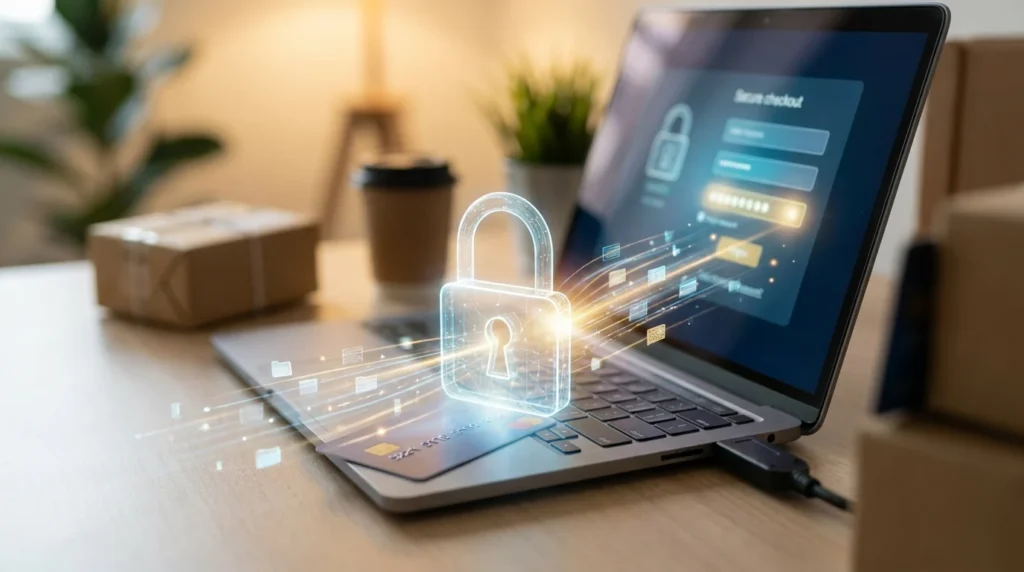
In the digital age, e-commerce platforms have transformed the way we shop, offering convenience and variety right at our fingertips. However, with this convenience comes the pressing need for robust security measures to protect sensitive data. This is where e-commerce encryption plays a pivotal role, ensuring that personal and financial information remains secure during online transactions.
What is E-Commerce Encryption?
E-commerce encryption is a security protocol that encodes data transmitted between a user’s browser and the online store’s server. This ensures that even if data is intercepted during transmission, it remains unreadable to unauthorized parties. Encryption uses complex algorithms to transform plain text into ciphertext, which can only be decoded with the correct decryption key. This process is essential for safeguarding sensitive information such as credit card details and personal addresses.
The Importance of SSL/TLS in Online Transactions
Secure Sockets Layer (SSL) and its successor, Transport Layer Security (TLS), are protocols that provide encryption for data transferred over the internet. These protocols are fundamental to e-commerce encryption, creating a secure channel for data exchange. When you see a padlock icon in your browser’s address bar, it indicates that SSL/TLS is being used to protect your transaction. Implementing SSL/TLS not only protects data but also builds trust with customers, assuring them that their information is safe.
How Encryption Protects Against Cyber Threats
Cyber threats such as hacking, phishing, and data breaches are constant concerns for e-commerce platforms. Encryption acts as a formidable barrier against these threats by ensuring that intercepted data is indecipherable. For instance, in the event of a data breach, encrypted information remains unreadable without the decryption key, significantly reducing the risk of identity theft and financial fraud. Learn more about protecting yourself from phishing scams here.
The Role of Encryption in Payment Gateways
Payment gateways are critical components of e-commerce transactions, processing payments between customers and merchants. Encryption is integral to these gateways, ensuring that payment data is securely transmitted between the involved parties. By encrypting credit card information and personal details, payment gateways prevent unauthorized access and fraud. To compare the safest payment gateways, take a look at this article.
Challenges and Limitations of E-Commerce Encryption
Despite its critical role in security, e-commerce encryption is not without challenges. One significant issue is the potential for outdated or improperly configured encryption protocols, which can create vulnerabilities. Additionally, encryption requires considerable computational resources, which can impact the speed and efficiency of transactions. It is crucial for e-commerce platforms to regularly update their encryption protocols and optimize their systems to maintain security without compromising performance.
The Future of E-Commerce Encryption
As cyber threats evolve, so too must encryption technologies. The future of e-commerce encryption lies in advanced algorithms and technologies such as quantum encryption, which promise even greater security. Continuous innovation and adaptation are necessary to stay ahead of cybercriminals and protect consumers. For insights into how technology is evolving to enhance online shopping security, explore this guide.
Encryption and Data Privacy Regulations
In the realm of e-commerce, adherence to data privacy regulations is crucial, and encryption plays a significant role in compliance. Regulations such as the General Data Protection Regulation (GDPR) in Europe and the California Consumer Privacy Act (CCPA) in the United States mandate stringent measures for the protection of personal data. Encryption is a key component in meeting these requirements, as it ensures that personal information is safeguarded against unauthorized access.
By encrypting data both at rest and in transit, e-commerce platforms can demonstrate their commitment to data privacy, minimizing the risk of non-compliance penalties. Moreover, encryption aids in fulfilling specific regulatory requirements such as the pseudonymization of personal data, adding an extra layer of protection that aligns with legal standards. This not only helps in avoiding hefty fines but also enhances consumer trust by showcasing a proactive approach to data security.
Implementing End-to-End Encryption in E-Commerce
End-to-end encryption (E2EE) is a sophisticated security measure that ensures data is encrypted on the sender’s end and only decrypted on the recipient’s end. This approach prevents intermediaries, including service providers, from accessing the data. In the context of e-commerce, implementing E2EE can significantly bolster security by ensuring that sensitive information remains confidential throughout the entire transaction process.
To implement E2EE, e-commerce platforms must integrate secure encryption protocols into their systems, ensuring that all data exchanges between the user and the server are fully encrypted. This involves using robust encryption algorithms and secure key management practices. Although implementing E2EE can be complex and resource-intensive, the benefits in terms of enhanced security and consumer trust are substantial.
Moreover, E2EE is particularly beneficial for mobile e-commerce applications, where data is often more vulnerable to interception. By securing mobile transactions with E2EE, businesses can protect user data against potential breaches, fostering a safer mobile shopping environment.
Balancing Security and User Experience
While encryption is essential for securing e-commerce transactions, it is equally important to maintain a seamless user experience. Consumers expect fast and efficient service, and any friction in the purchasing process can lead to abandoned carts and lost sales. Therefore, e-commerce platforms must strike a balance between robust encryption and optimal performance.
To achieve this, businesses can leverage modern encryption technologies that minimize latency and optimize processing speeds. Techniques such as session encryption, which encrypts data for the duration of a user session, can provide security without significantly impacting performance. Additionally, educating users on security practices, such as recognizing secure connections and managing their passwords, can enhance security without compromising the user experience.